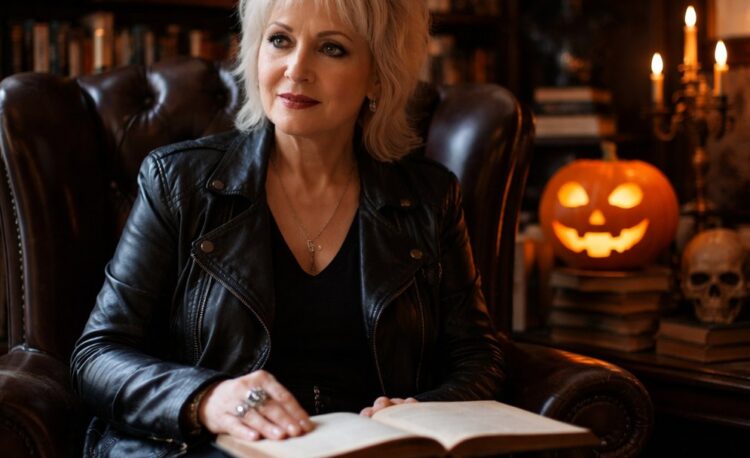
Barbie Wilde, a British actress and author, is a name that resonates powerfully in the world of horror cinema. Known for her iconic role as the “Female Cenobite” in the cult film “Hellraiser II: Hellbound,” she has masterfully navigated the intricacies of the horror genre, both on screen and in the pages of her writings. With her diverse experience and unique approach, Wilde offers fascinating insights into what makes the horror genre tick. Her commitment to the art of fear is not limited to her performances but also extends into her literary works, where she continues to explore the darkest corners of the human mind.
An Immersion into the World of Monsters
 When discussing Barbie Wilde’s career, it is impossible not to mention her memorable performance in “Hellraiser II.” However, her journey does not stop there. Wilde has always been drawn to dark tales and supernatural creatures, an interest that is reflected in her writing career as well. Her stories often delve into the depths of human psychology through the lens of horror, exploring what lies beneath the surface of the ordinary. By incorporating elements of mythology and fairy tales into her narratives, she creates worlds where the line between reality and fantasy is delicately blurred, offering readers a full immersion into the unknown.
Writing: A New Dimension
Barbie Wilde has successfully translated her cinematic experience into captivating stories on paper. Her books, like “The Venus Complex,” plunge readers into the tortured thoughts of her main characters, offering an intimate look at the motivations of evil. What sets her writing apart is the way she blends elements of psychological truth with supernatural scenarios, creating a terrifying and realistic fusion. For those looking to venture into horror writing, Wilde recommends focusing on psychological elements, exploiting the universal fear of the unknown while developing complex and credible characters.
Influences and Inspirations
Wilde cites several influences that have helped shape her perception of the genre. Classic literary horror works like those of Stephen King or Clive Barker, of course, but also more contemporary creators who explore human darkness from innovative angles. Wilde believes that horror is not simply the domain of tangible monsters, but a reflection of inner terrors and societal fears. She emphasizes that for her, horror must also serve as a mirror to modern anxieties, such as isolation and alienation in a hyperconnected world.
Evolution of the Horror Genre
Discussing the evolution of the genre, Barbie Wilde notes that horror has evolved far beyond its gory elements to embrace more psychological and introspective themes. The fear of the unknown, the perils of isolation, and the abysses of the human soul are subjects that, according to her, transcend blood and guts to touch the true roots of human anxiety. This is manifested in stories that prioritize atmosphere and tension, contributing to creating an immersive experience that lingers long after the story ends.
Exploring Fear with Boldness
Barbie Wilde encourages creators not to be constrained by established conventions. She firmly believes that horror, when well executed, can be a platform for discussing complex and disturbing topics, while offering necessary catharsis. In a constantly changing world, horror remains an essential mirror that pushes us to reflect on ourselves and society. She advises writers not to fear experimenting with narrative structure or point of view, to better surprise and captivate their audience.
Ultimately, Barbie Wilde’s career and vision are proof that horror is not limited to causing chills. It is a bold exploration of human discomfort and the unknown, a territory that this artist explores with impressive creativity and depth. She shows that horror can also be a powerful vehicle for social commentary, deciphering contemporary anxieties and translating them into stories that continue to captivate and inspire new generations of creators.