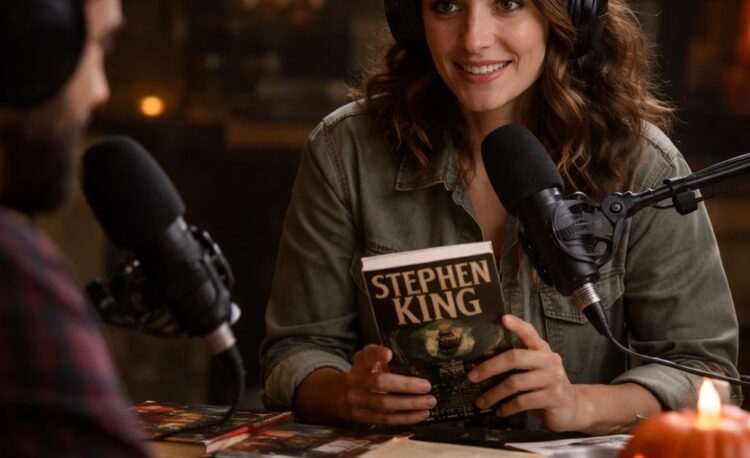
The intersection of literature and cinema offers a unique opportunity to explore the various facets of horror. Both mediums utilize distinct tools to evoke fear, tension, and suspense, yet when combined, they create a new dimension of terrifying experiences. This exploration delves into how these storytelling methods complement each other, providing a diverse spectrum of horror.
Origins and adaptation
Horror literature has long been a source of inspiration for filmmakers. Many classic horror films have their roots in literature, such as Mary Shelley’s “Frankenstein” or Bram Stoker’s “Dracula”. These stories laid the foundation for the horror genre, introducing themes and archetypes that continue to influence modern cinema. Adapting literary horror into film presents unique challenges, as filmmakers strive to preserve the nuances and psychological depth of the source material while creating visually impactful narratives.
Psychological horror : tapping into the mind
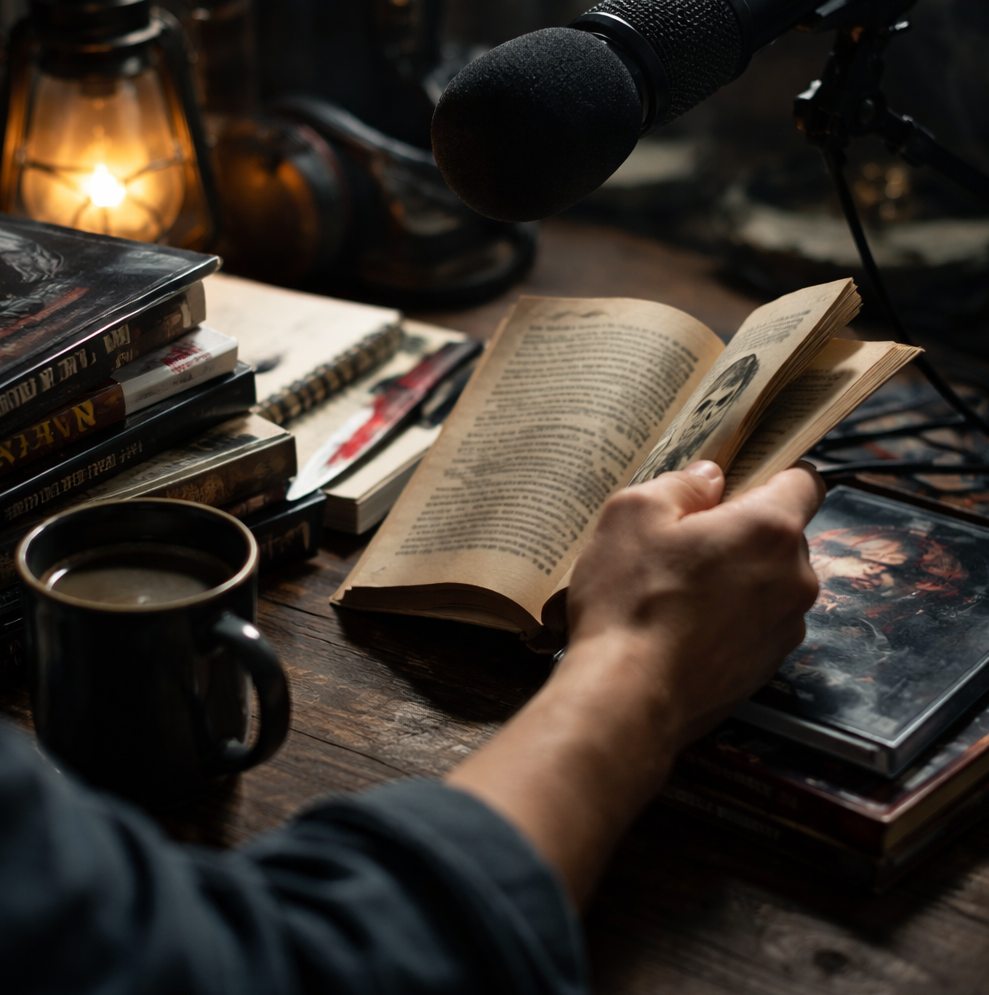 One of the strengths of literary horror is its ability to delve deeply into the human psyche, creating a profound sense of unease. Films inspired by such narratives often attempt to capture this psychological tension. The use of close-up shots, sound design, and lighting work together to build an atmosphere of dread. For instance, films like “The Shining”, based on Stephen King’s novel, demonstrate how cinematic techniques can amplify the psychological horror depicted in the book.
Visual storytelling : beyond the written word
While literature is rich in descriptive power, cinema offers visual storytelling capabilities that bring horrors to life in vivid detail. Through special effects, makeup, and cinematography, films can portray terrifying creatures and settings in a way that words alone might struggle to achieve. The adaptation of H.P. Lovecraft’s works exemplifies this, as his vivid descriptions of unimaginable entities can be brought to the screen with unnerving realism.
The role of sound and music
Sound plays a crucial role in the horror genre, both in films and adaptations of literary works. In literature, silence can be implied through pacing and structure, creating tension. In film, music scores and sound effects are employed to heighten emotions and evoke fear. The jarring soundtrack of “Psycho” or the eerie silence in “A Quiet Place” demonstrate cinema’s ability to use sound—or the lack thereof—to enhance the horror experience.
Contemporary transformations
In recent years, there has been a wave of adaptations from contemporary horror literature. These works reflect modern anxieties, exploring themes such as technology, isolation, and societal breakdown. Films like “Annihilation”, adapted from Jeff VanderMeer’s novel, exemplify how contemporary horror literature can be transformed into innovative cinema that challenges and terrifies today’s audiences. Such narratives reveal how the horror genre continues to evolve by addressing current fears and uncertainties.
Ultimately, the blend of literature and film in horror allows for a richer and more complex exploration of human fears. While literature lays the groundwork with its intricate storytelling and psychological depth, cinema enhances these tales through visual and auditory elements. The collaborative power of these mediums ensures that the horror genre remains vibrant and continually resonates with audiences across the globe, offering a spectrum of scares that both reflect and transcend reality.