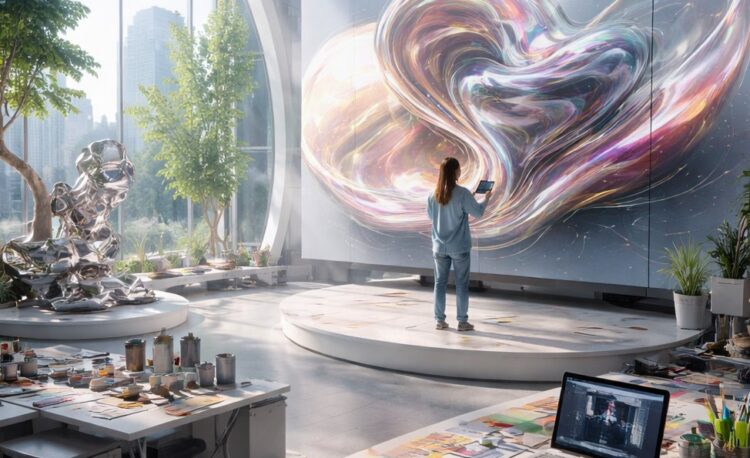
The intersection of art and innovation is increasingly evident as artists embrace new tools and technologies. This synergy is paving the way for groundbreaking creations that challenge traditional boundaries and explore new territories. Here’s how this fusion is shaping the future of art and design.
Embracing Technological Tools
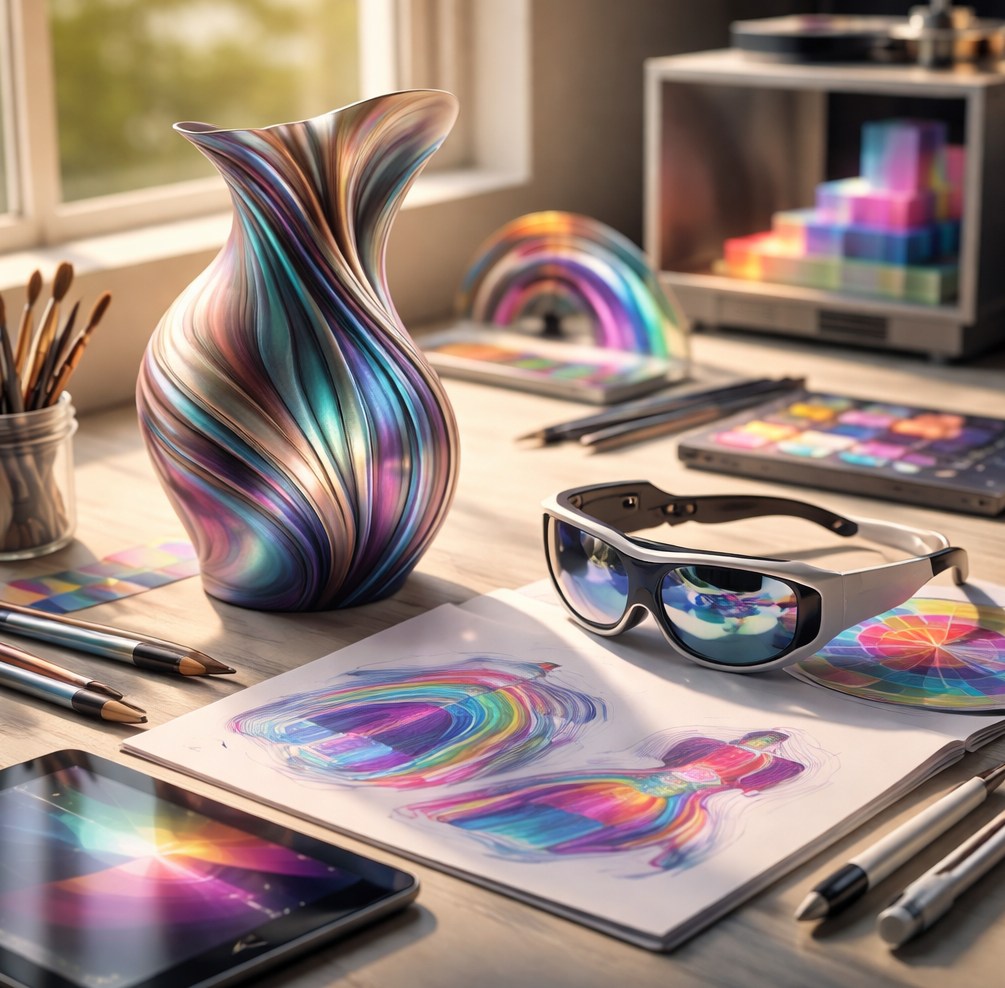
Artists are no longer confined to brushes and canvas. Today, many are turning to digital tools such as 3D printing, augmented reality, and artificial intelligence to bring their visions to life. These technologies offer limitless possibilities, allowing for more intricate and complex designs that were previously impossible. Engaging with such tools is not merely adopting a trend ; it is about pushing the limits of creativity and redefining what art can be.
The Rise of Interactive Art
As technology evolves, so does the way audiences interact with art. Interactive art installations, where the viewer becomes an integral part of the artwork, are gaining popularity. These experiences often employ virtual reality or interactive projections, creating immersive environments that leave a lasting impression. Such dynamic engagements not only attract a broader audience but also transform passive observers into active participants.
Sustainability in Design
In the future of art and design, sustainability is a key focus. Artists and designers are increasingly aware of their environmental impact and are seeking eco-friendly materials and processes. Sustainable design practices are not only beneficial to the planet but also inspire innovation. By using recycled materials or energy-efficient technologies, creators can develop unique and impactful works that resonate with environmentally conscious audiences.
Collaborative Creations
Collaboration across disciplines is another trend shaping the future of art. Artists are teaming up with scientists, engineers, and technologists to create hybrid artworks that merge various fields of expertise. This cross-pollination of ideas encourages experimentation and results in unexpected and innovative outcomes. Such collaborations highlight the importance of diversity in creativity and the endless potential it holds.
The Impact of Social Media
Social media platforms are powerful tools for artists to showcase their work to a global audience. Beyond mere exposure, these platforms provide opportunities for direct interaction with viewers, fostering a sense of community and feedback that is invaluable. Artists can test new ideas, gauge audience reactions, and refine their craft based on real-time input. In this way, social media not only democratizes art but also acts as a catalyst for continuous improvement and innovation.
Blurring Boundaries Between Art Forms
The lines between different art forms are becoming blurred as creators blend elements from various disciplines. Whether it’s a fusion of music and visual art or the integration of sculpture with digital media, these hybrid forms push artistic boundaries and redefine traditional categories. This fluidity encourages a more holistic approach to creativity, where the focus is on the experience rather than the medium.
As we look to the future, it is clear that the convergence of design and innovation is driving the evolution of art. By embracing new technologies, prioritizing sustainability, and fostering collaboration, artists are paving the way for exciting developments. The art world is poised for a transformation where the only limit is imagination, and we are merely at the dawn of its possibilities. This future promises to be as vibrant and diverse as the creative minds that will shape it.