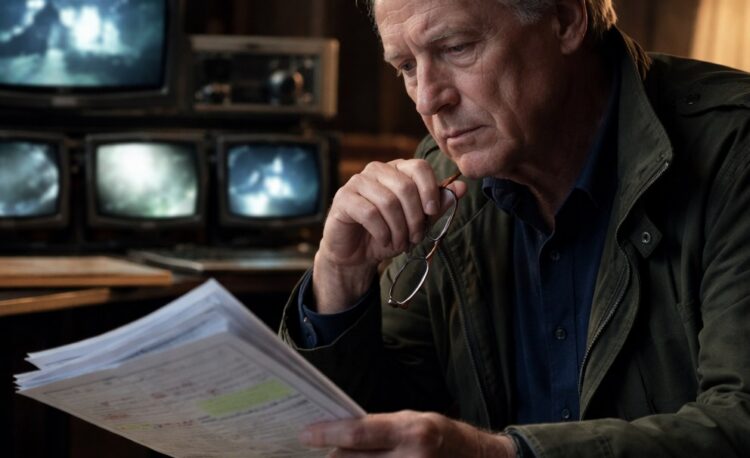
On a dark Halloween night in 1992, the BBC aired a show titled “Ghostwatch,” a pseudo-documentary that would etch its mark in television history. Here are ten chilling facts about this controversial show that blurred the lines between fiction and reality to an unprecedented extent.
The mastermind behind the show
“Ghostwatch” was conceived and written by Stephen Volk, a screenwriter known for his work in the horror genre. Volk originally pitched the concept as a six-part drama series. However, the BBC decided to condense it into a single 90-minute “special,” which aired on October 31, 1992. This *daring experiment in television* was one of a kind and remains unique in its impact.
A realistic presentation
The show was presented as a live broadcast investigating paranormal activity in a North London home. The clever use of actual BBC presenters, including Michael Parkinson and Sarah Greene, lent the production an air of authenticity. This *realistic facade* made viewers question the boundary between reality and fiction.
Inspired by real events
“Ghostwatch” took inspiration from the infamous Enfield Poltergeist case of the 1970s. This real-life event involved a family in London who claimed their house was haunted by a malevolent spirit. The parallels between the storylines added another layer of *credibility* to the show’s chilling narrative.
Public reaction
The reaction from the audience was nothing short of explosive. Thousands of viewers were convinced they were witnessing a genuine live broadcast of a haunting gone wrong. The BBC switchboard was overwhelmed with complaints, and the public outrage was so severe that the network vowed never to air “Ghostwatch” again. It was one of the first instances of a television program causing *mass public hysteria*.
Psychological impact
In the wake of the broadcast, the British Medical Journal published a report highlighting the psychological effects the show had on some viewers, including post-traumatic stress disorder in children. This led to discussions about the responsibilities of broadcasters and the psychological impact of media on audiences, prompting a re-evaluation of content warnings and broadcasting guidelines.
Banned for a decade
 Due to the intense backlash, the BBC placed an unofficial ban on “Ghostwatch” for ten years. It wasn’t until 2002 that the program was finally released on DVD, allowing a new generation to experience its unnerving narrative. This decade-long absence only added to its *mystique and cult status*.
Accidental mastermind ?
Michael Parkinson, a highly respected broadcaster, admitted years later that he was unaware of the program’s true nature during its filming. He believed it was a genuine documentary. This inadvertent participation added another layer of authenticity to the production, as viewers saw a familiar and trusted face displaying genuine shock and disbelief.
Pioneering the mockumentary format
Before “The Blair Witch Project” captivated audiences with its found-footage style, “Ghostwatch” was breaking new ground in the *mockumentary format*. It skillfully combined elements of traditional storytelling with documentary filmmaking techniques, paving the way for future productions within the horror genre.
The haunting legacy
Despite its controversial reception, “Ghostwatch” has left a lasting legacy in television history. It is studied and analyzed for its impact on media, audience perception, and its masterful use of suspense and storytelling. It remains a *seminal work* in the horror genre.
A commentary on media influence
The enduring significance of “Ghostwatch” lies in its exploration of media influence and the power of television as a tool for storytelling. It raises questions about the *responsibility of broadcasters*, the susceptibility of audiences, and the fine line between entertainment and reality.
The gripping and chilling nature of “Ghostwatch” ensures that it remains a fascinating subject for discussion, even decades after its single night of broadcast. Its innovative approach and the controversies it sparked make it a notable milestone in the evolution of television storytelling.