
Ensuring that your website operates smoothly and quickly is crucial in today’s digital world. Yet, a common pitfall in performance optimization is the obsession with technical details while neglecting a fundamental aspect: the content. A site can be technically flawless, but if the content is poorly structured or too heavy, it will harm overall performance. For example, a blog that ignores image optimization may see its loading time increase significantly, discouraging readers from continuing to browse.
The Importance of Lightweight Content
 It’s easy to be seduced by high-quality images and full-resolution videos. However, these elements can quickly become bottlenecks for performance. Prioritize fast loading with compressed and optimized formats. Consider alternatives such as the WebP format for images and reduce video file sizes while maintaining acceptable quality. For example, a simple conversion of a PNG file to WebP can reduce its size by up to 25% without visible loss of quality. Similarly, reducing video resolution from 4K to 1080p for the web can significantly lighten page weight.
Resource Minimization
Minimization is not reserved only for CSS and JavaScript files. Apply the same rule to your texts and HTML code. Clear, precise, and relevant text not only avoids cognitive overload for the user, but also reduces the volume of data transferred. Implement techniques such as lazy loading to load elements only when necessary. Additionally, using system fonts instead of custom web fonts can decrease page rendering time.
Forgetting Browser Cache
A common mistake is underutilizing the browser’s ability to temporarily store resources. Browser cache can turn new accesses into quick visits, thus easing the server’s burden and improving user experience. Make sure to configure the appropriate HTTP headers to take advantage of this often underestimated feature. For example, setting a cache duration for images of several weeks can significantly relieve bandwidth and reduce loading times for frequent visitors.
Unnecessary Scripts: The Latent Evil
The allure of the latest JavaScript libraries is a strong temptation. However, each additional script adds processing time. Evaluate the real utility of each JavaScript library you load. Remove anything redundant or inactive. Adopting lighter libraries or reducing the use of often overlooked third-party scripts can significantly improve performance. For example, using a library like Preact instead of React can offer similar benefits at a much lower performance cost.
Testing and Analysis: Underutilized Allies
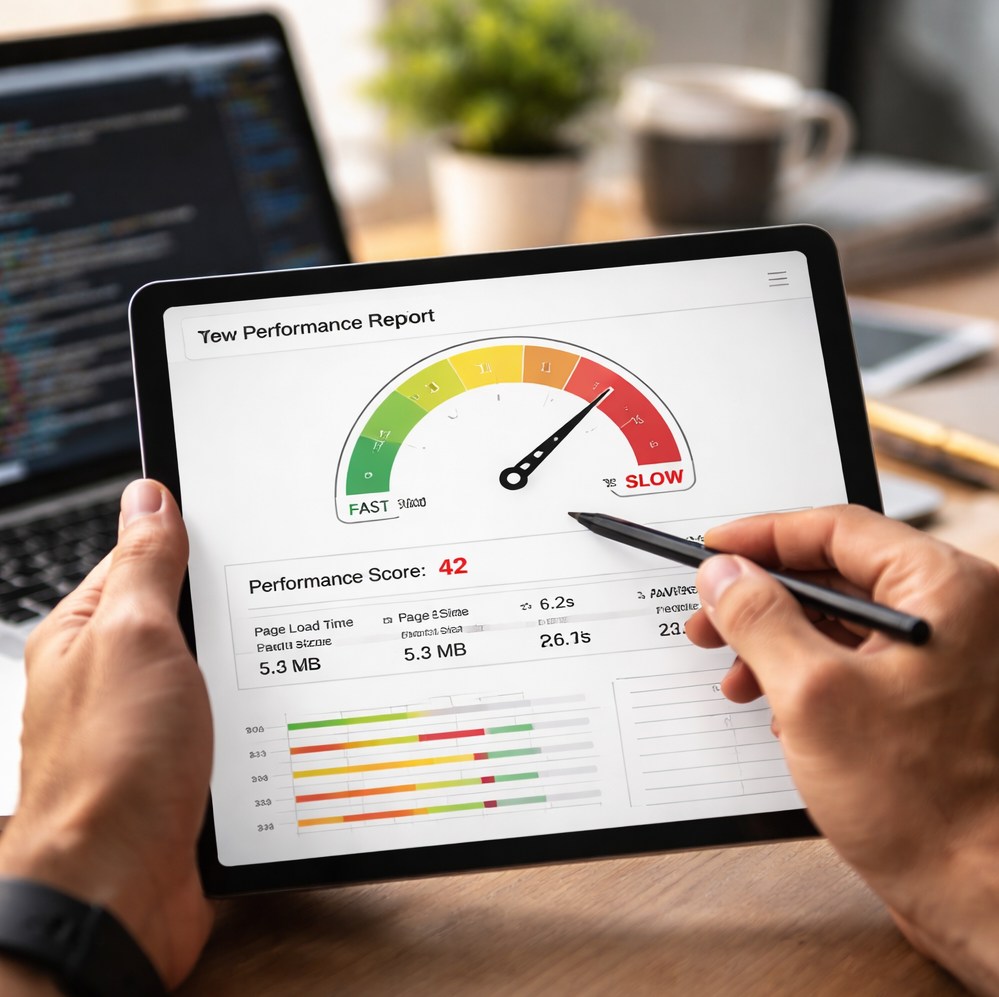
Site performance is dynamic, influenced by many variables. Conducting regular tests with performance analysis tools is crucial to understanding weak points. This proactive approach allows you to detect issues before they affect the end user. Don’t wait for complaints to act. A tool like Google PageSpeed Insights can provide valuable insights on optimizations to be made, ranking issues by priority.
In conclusion, a good balance between technique and content is essential for optimal performance. Often, by simply improving these basic aspects, you can significantly boost your website’s efficiency. Don’t let technical perfectionism make you forget the overall user experience. A well-optimized site not only retains visitors but also improves overall visibility in search engines, thereby increasing your traffic potential.