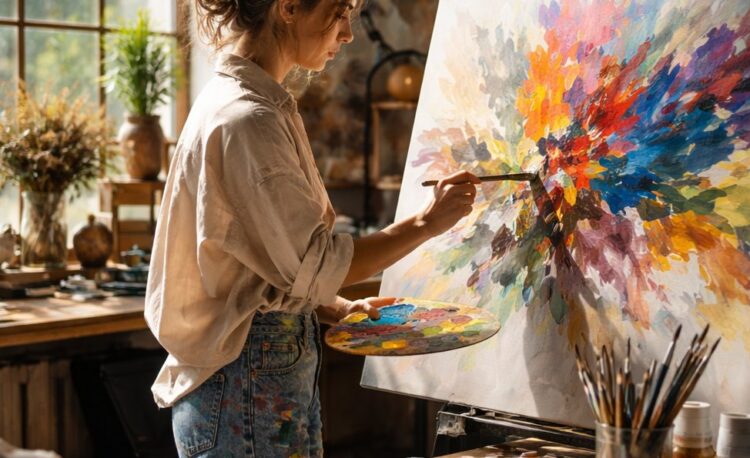
In the ever-evolving landscape of art and design, creativity remains the driving force that shapes the future. This dynamic field continuously offers opportunities for innovation and expression, pushing the boundaries of what is possible. Today, unlocking creativity is more important than ever, as it allows artists and designers to create works that not only captivate but also challenge and inspire society.
The Integration of Technology
One of the most significant influences on modern art and design is the integration of technology. This fusion has opened up new avenues for creative expression, allowing artists to explore digital mediums such as virtual reality, augmented reality, and artificial intelligence. These technologies offer tools that enable creators to craft immersive and interactive experiences that were once unimaginable. By leveraging technology, designers can produce work that transcends traditional boundaries, engaging audiences in ways that are both innovative and thought-provoking.
Sustainability in Art and Design
As the world becomes more environmentally conscious, sustainability has become a crucial consideration in art and design. Creators are now more inclined to use eco-friendly materials and practices, shaping a future where art is not only beautiful but also responsible. Sustainable design practices include using recycled materials, reducing waste, and creating pieces that promote environmental awareness. This trend not only reflects a commitment to the planet but also inspires others to incorporate sustainability into their own creative processes.
Collaboration Across Disciplines
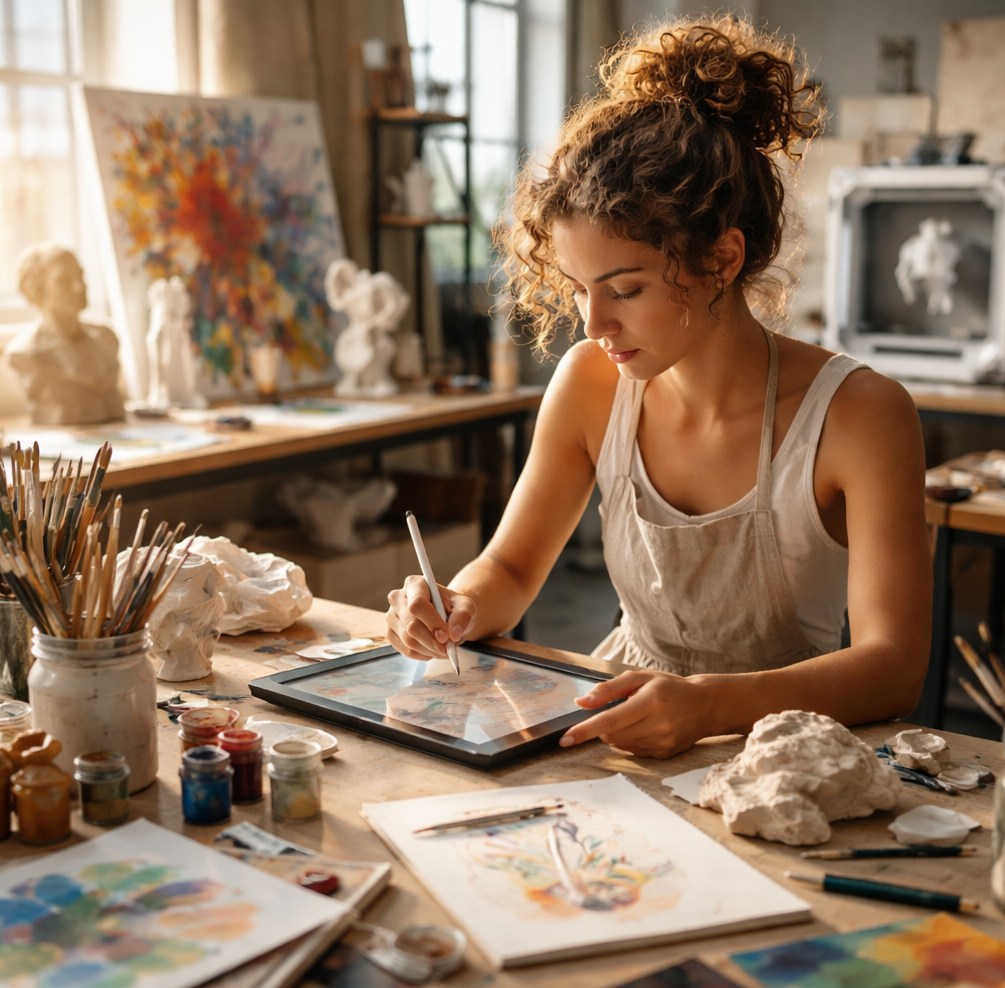
The future of art and design is increasingly characterized by collaboration across disciplines. Artists, designers, scientists, and technologists are coming together to create innovative works that intersect various fields of study. This cross-disciplinary collaboration results in projects that blend art with science, technology, and even social activism, offering new perspectives and solutions to complex problems. By working together, these diverse minds can produce groundbreaking work that pushes the limits of what each field can achieve alone.
Embracing Diversity and Inclusion
A key aspect of unlocking creativity in the future is embracing diversity and inclusion. By welcoming a wide range of voices, backgrounds, and perspectives, art and design become richer and more reflective of society as a whole. This inclusivity fosters a culture of innovation, where unique ideas and experiences are celebrated, leading to more authentic and impactful creations. As a result, the art and design industries become more representative and accessible, ensuring that the works produced resonate with a broader audience.
The Role of Emotional Connection
Art and design have the power to evoke strong emotional responses, and this is an area where creators can truly differentiate themselves. By focusing on the emotional impact of their work, artists and designers can create pieces that resonate deeply with viewers, leaving a lasting impression. This emotional connection can be achieved through storytelling, visual elements, or even through the use of interactive technology that allows audiences to engage with the work in a personal way. The more emotionally engaging a piece is, the more likely it is to leave a significant impact.
The Need for Continuous Learning
To stay ahead in the rapidly changing world of art and design, creatives must commit to continuous learning and development. Attending workshops, participating in online courses, and staying informed about the latest trends and technologies are essential practices for any artist or designer looking to push their creative boundaries. By continuously expanding their knowledge and skills, creators can remain relevant and innovative, ensuring that their work continues to evolve and inspire.
In conclusion, the future of art and design holds immense potential for those willing to embrace change and innovation. By integrating technology, prioritizing sustainability, fostering collaboration, embracing diversity, and building emotional connections, creatives can unlock new levels of creativity and produce work that is both groundbreaking and meaningful. As the landscape of art and design continues to evolve, those who adapt and innovate will lead the way in shaping the future of this inspiring field.